Author Archives: HIC, Harold Import Co.

Unknown's avatar

About HIC, Harold Import Co.

Each and every day at HIC, Harold Import Co., we aim to bring you the best gourmet kitchen supplies, kitchen tools and gadgets, and food preparation equipment at the most affordable prices. This has been our mission since day one and it’s at the very heart of our family-run business. Contact us at www.haroldimport.com, follow @HaroldImportCo or connect with us at www.facebook.com/haroldimportcompany

Tuesday’s Tool: The Salt Cellar

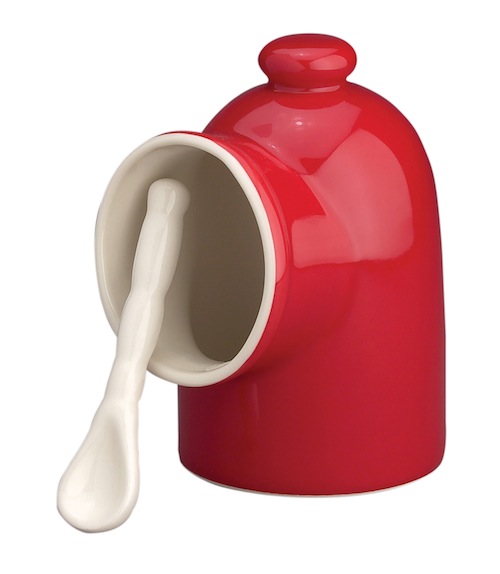
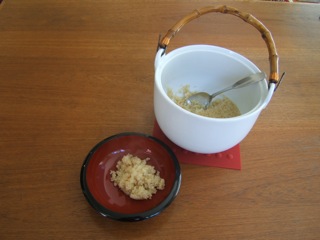
SaltCellar

Salt has been used in pickling and preserving foods for thousands of years. But before there was the salt shaker, there was the salt cellar. In fact, the salt cellar appeared in paintings of medieval feast tables and has served as a status symbol throughout the ages.

The salt cellar allows the salt to breathe, enhancing the  quality and taste of the salt.  At the same time, it is designed to hold and help prevent moisture from causing the salt to cake.

The HIC Salt Cellar with Spoon is part of HIC’s broad collection of porcelain dinnerware. The Salt Cellar will keep your most often used salt near at hand and safe from dust and debris. Decorative and functional, this kitchen utensil features a red exterior and a white interior and is designed with  a large “snout” so you can easily get to your salt. The small knob makes for easy transport.

Keep the HIC Salt Cellar near your stovetop and you’ll no longer worry about contaminating your most often used cooking aid – salt. Made of fine porcelain so it’s extremely durable. Take it with you, wherever you want and need it — at the stove, dinner table, or out at the grill.

Oven, microwave, freezer and dishwasher safe. Measures 4 X 3”.


September Featured Ingredient: Cauliflower

Cauliflower500

Cauliflower is a cruciferous vegetable that has been found to have numerous medicinal benefits. It is a great source of dietary fiber, contains a high amount of antioxidants, its omega-3 fatty acids and vitamin K help prevent chronic inflammation, it has a good amount of B vitamins including folate, niacin, riboflavin, pantothenic acid and thiamine, and it is low in calories.

Cooked or raw, cauliflower is a perfect addition to lunch or dinner, and can be enjoyed all year round. As September arrives, and weather becomes slightly cooler, take a look at these great ways to enjoy cauliflower.

Roast it!

HICMrsAndersonsRoasting_500EVO500

Switch out from the usual steaming or boiling of cauliflower, which can make it waterlogged and loose it’s flavor, by roasting it.  Found on a growing number of restaurant menus, roasted vegetables are quickly becoming the preferred preparation method for home cooks as well.

The dry heat of roasting does wonders to the flavor, coaxing out and concentrating the flavors. To make, simply slice cauliflower lengthwise and place on a Mrs. Anderson’s Savory Roasting Mat, spritz with olive oil using the EVO Oil Sprayer, and sprinkle seasonings of your choice. Place in a preheated oven at 400 degrees F, and roast until darkened and soft.

Tools needed: Mrs. Anderson’s Non-stick Sweet and Savory Baking Mats, Evo Oil Sprayer

Cauliflower Pizza Crust

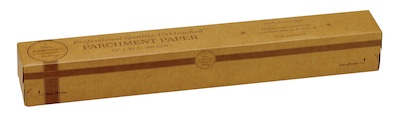
HICGrater300FantesMicroPizza400MrsAParchment400

Enjoy pizza night in a popular new way – with a rich, grain-free cauliflower crust. Whether you’re seeking to add more low-carb recipes to your diet, or are looking for exciting new flavorful recipes to mix things up from your stand-by flour-based pizza crust, the cauliflower pizza crust is a delicious way to mix things up on pizza night. Click here for an easy recipe.

Tools needed: Mrs. Anderson’s Unbleached Parchment Paper, Fante’s Cousin Serafina’s Micro-Textured Pizza Pan, HIC Grater Professional

Cauliflower Cheddar Muffins

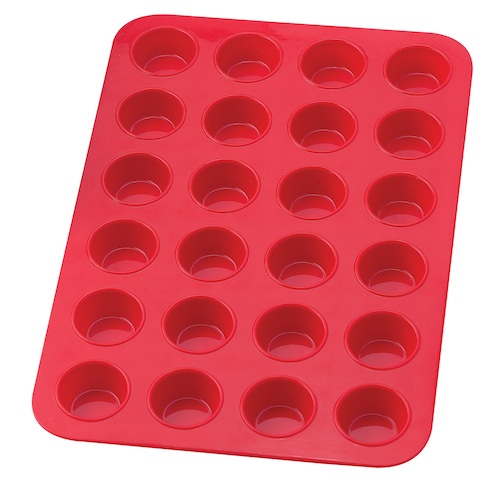
SiliconeMiniMuffin

Don’t just think of cauliflower as a vegetable side dish for dinner. Like so many vegetables, cauliflower is a great addition to your baking recipes, too. Try these easy-to-make Cauliflower Cheddar Muffins for a mid-day snack, to complement an omelet at breakfast, or for a dinner treat.

Tools Needed: Mrs. Anderson’s Silicone Mini Muffin Pan

For more information on these great products from HIC, Harold Import Co., contact your sales rep, or call 800-526-2163. 

Spiral Slicing

HICSpiralSlicer

Spiral Slicing is more than a fad, it is a movement that has been embraced by a wide range of consumers from those who desire to limit their carb or meat consumption while increasing their vegetable intake, to consumers who simply want to prepare and serve the same old fruits and veggies in a different way.

There is no shortage of new cookbooks supporting this movement, all dedicated to offering a multitude of different recipes using spiral-sliced fruits and veggies.

HIC, Harold Import Co. has just the right tools to support this culinary movement, and our Lightening Deal is designed to support our customers’ in-store efforts to provide consumers with quality products at the best possible price.

The handy HIC Spiral Slicer is a quick and easy way to create endless julienne strips with just a simple turn. Perfect for use on firm vegetables such as carrots, zucchini, turnip, rutabaga, large radishes and more, the double-sided slicers let the user choose from two different Julienne slices – small (2mm-3mm) or large (3.5mm-5mm). The high-quality Japanese stainless steel blades maintain a super sharp edge for precise slicing time and again. The body is constructed of food-safe plastic and is designed with a comfortable, slip-free hold for maximum ease of use and safety while slicing.

Fante’s Nana Anna’s Easy Cookies Cookie Press – Now in Stock

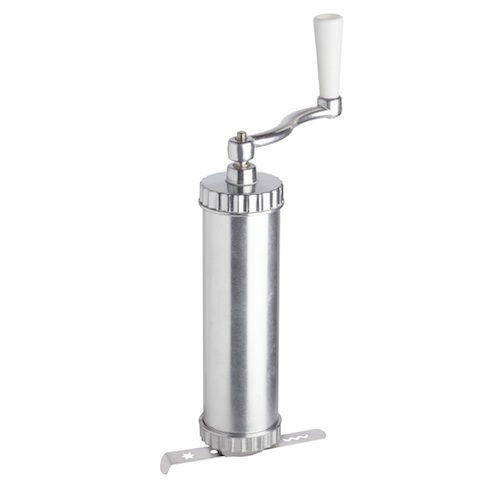
NanaAnnasEasyCookiesCookiePress500
Italian foods conjure up thoughts of family and friends joining together around the table to share good food and great memories. And, with the Fante family, that is exactly what you get.For over 100 years, Fante’s Kitchen Shop and the extended Fante family have lived, worked, cooked and eaten in the heart of Philadelphia’s historic Italian Market.  The Fante’s Kitchen Shop is a third-generation, family-run business dealing in gourmet kitchen supplies ourselves, and HIC, Harold Import Co. has formed a winning partnership with Fante’s based on a shared goal: to bring quality Italian cooking supplies at the best prices possible. This has naturally developed into the creation of a signature line of Italian Cookware.FantesCheeseStrawsFante’s Nana Anna’s Easy Cookies Cookie Press (12007) makes baking cookies fun and effortless. Simply fill with dough, select desired shape, and turn the handle. This easy-to-use Cookie Press extrudes cookie dough, and other firm dough, into many creative shapes. The sliding plate features 5 traditional designs. Perfect for making a family sugar cookie recipe, or butter cookies, even cheese straws and other cookie press recipes.We asked Mariella Giovannucci, president of Fante’s Kitchen Shop, what makes this cookie press so special. “This cookie press is super versatile and simple to use,” she explains. “It allows you to be creative by making your own shapes. I like to make bows using the star shape, and a french braid with the two round holes. The possibilities are endless.” She added that the butter cookie is a favorite recipe, “When this recipe was created, fine wheat flour was not abundant so we saved it to be used for the holidays and special occasions.”For your next ‘everyday’ special occasion, try the Fante’s Nana Anna’s Easy Cookies Cookie Press — Now in Stock.
Years of experience helped to create this signature line of Italian cookware where old school craftsmanship and today’s technology come together in a collection of favorites that would make generations of Fante’s very proud. Fante’s is a HIC, Harold Import Co., brand.

Tuesday’s Tool: Helen’s Asian Kitchen Sushi Making Kit

The Sushi Making Kit is a multi-piece set that is designed to make three kinds of maki (or wrapped) sushi: Futo-maki (large square rolls with multiple fillings), hoso-maki (small roll with single filling) and heart-shaped maki (a decidedly American version, but delightful for special occasions and for kids). The kit includes three plastic molds, rice paddle and instruction booklet.

Sushi combines vinegar-seasoned rice with a wide variety of fillings — raw sushi-grade fish, smoked or cooked fish and other seafood, fresh or cooked vegetables, cooked meats and cheese and various pickles and herbs — all wrapped in seaweed sheets, known as nori.  Shaped into rolls and cut into bite-sized pieces wrapped sushi is perfect for a full or light meal, appetizer, party hors d’oeuvres and healthy snack.

SushiKitPieces350Maki-zushi, or rolled sushi, is fun to make and with this kit everyone can get involved, including kids!  Simply place a sheet of nori into one of the molds, spread a layer of seasoned sushi rice, add your choice of fillings, add more seasoned rice to cover, fold the nori over and press firmly.  There are even  slots in the mold for slicing the sushi into perfect, even pieces.


Mrs. Anderson’s Animal Cracker Cookie Cutters

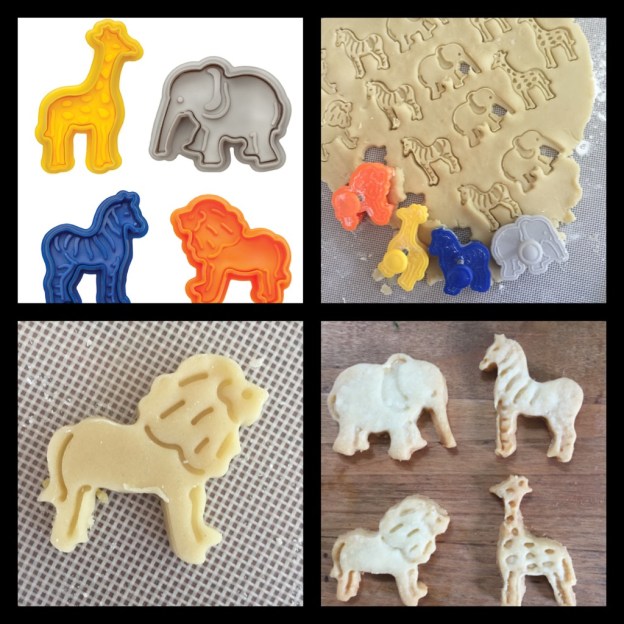
Oh, the memories so many of us have of reaching into a circus-train shaped box and pulling out an elephant, camel, hippo, goat or donkey cookie. Animal Crackers are a favorite childhood treat, and  HIC brings you the Mrs. Anderson’s Animal Cracker Cookie Cutter Set. This delightful collection of four cookie cutters (elephant, giraffe, zebra and lion) lets you create your own home-made animal cookies.

Made of BPA-free plastic, the cookie cutters come with a spring-action that stamps a design into the dough while aiding in the release of the  shapes. Perfect for homemade animal crackers, the set is also fun to use when creating decorative pie crusts, or baking gingerbread cookies.

To use, roll out the cookie dough and sprinkle a little flour on the cutters to keep the dough from sticking. Press the cookie cutter firmly into the dough, then press the spring-action lever to emboss the design into the dough and release the cookie.

Below is a recipe that is included with the set — but you can experiment and use your favorite cookie cutter recipe —  You can even try making chocolate Animal Cookies.

A portion of the proceeds from the sale of this item is donated to Careers through Culinary Arts Program (C-CAP). C-CAP works with public schools across the country to prepare disadvantaged high school students for college and career opportunities in the restaurant and hospitality industry. HIC is proud to support C-CAP by donating a portion of the proceeds from the sale of select items. To learn more visit ccapinc.org.

Lemony Shortbread Animal Cookies

AnimalCutterDough350

    1 lb butter

1 tsp sugar

1 tsp salt

2 tsp lemon zest

2 tsp lemon juice

4 cups all purpose flour

In a mixing bowl, cream together the butter, sugar, salt and lemon zest. Mix in lemon juice. Scrape down sides of bowl to incorporate ingredients.

Add 2 cups of flour into the mixture and combine until incorporated. Then, add remaining flour until dough begins to form a ball. Scrape the sides of the mixing bowl, incorporating all ingredients.

Wrap dough ball in plastic and chill for at least one hour.

Preheat oven to 350 degrees F. Lightly flour rolling pin and work surface. Once dough is chilled, roll out dough to 1/4″ thick. Use the Mrs. Anderson’s Animal Cookie Cutters to cut dough into desired shapes. Place cut Shapes onto baking sheet.

Bake at 350 degrees F, for 9 to 12 minutes, or until edges are a light golden brown.

The Lemony Shortbread Animal Cookie Recipe was created by Christopher Williams, who attended  Richards Career Academy and graduated with a Scholarship from C-CAP to attend Johnson & Wales University in Colorado. He graduated in 2010 and currently works as a pastry chef.

The History Behind Helen Chen’s Asian Kitchen New Easy Stir-Fry Sauce Bottle

Article Contributed by Nicole Herman, with Notes from Helen Chen

Helen Chen is a leading Asian culinary expert, cookbook author, cooking instructor and developer of Helen Chen’s Asian Kitchen® cookware and cooking supplies, in partnership with Harold Import Co. (Scroll to the base of this post to learn more about Helen.) Every great tool has a great story – This is the history behind Helen’s new Easy Stir-Fry Sauce Bottle.

Helen Chen Teaching a Stir-Fry Cooking Class

Helen Chen Teaching a Stir-Fry Cooking Class

A Note From Helen –

It all started with a brilliant idea from my mother, Joyce Chen. In the 1950’s our restaurant was the first to serve authentic Sichuan dishes before Sichuan cuisine was even on the radar in the United States. The two most popular dishes were the ones made in the Kung Pao and Yu Xiang styles.  These dishes quickly became favorites with our restaurant clientele.  Since all of our dishes were cooked to order, our chefs had to cook the most popular ones multiple times each night.  My mother’s creative idea was to make the sauces herself, in advance, and have our chefs cook with them.  This would not only save them time, but also provide consistent quality control so no matter which chef cooked the dish, it would always come out of the kitchen perfectly delicious every time.

Chinese chefs can be just as temperamental as any other professional chef, but it was a testament to the quality of these sauces that our chefs not only agreed to use them, but quickly embraced the idea whole-heartedly when they realized how quick and easy they were to use…and how delicious they tasted.

For my mother, who was always thinking of ways to improve her art, it was a natural progression to take this concept from our restaurant kitchen to home kitchens.  For a time we had our own line of bottled stir-fry sauces.  Although they are no longer in production, people who remember them always tell me how wonderful they were and ask where they can buy more.

Enter, Helen’s Asian Kitchen Easy Stir-Fry Sauce Bottle.  The genesis of my new stir-fry sauce bottle came from my mother’s incredibly innovative idea of making her own stir-fry sauces, and  now you can too! I’ve chosen four of my own delicious and versatile stir-fry sauces that can make the home cook a master chef.  Now stir-frying can be truly quick, easy and always delicious.

Helen Chen Teaching Stir-Fry Cooking Class

Helen Chen Teaching Stir-Fry Cooking Class

My four unique sauces (Mandarin Orange, Canton Oyster, Beijing Hoisin and Sichuan Black Bean) are made with ingredients that can be readily found in most American supermarkets.  And for those people with food allergies, making sauces from scratch allows for substitutions that fit dietary requirements.  To use, simply follow the recipe – ingredients and quantities are printed right on the bottle – shake, and you’re ready to cook.  The sauces are incredibly versatile and may be used with just about any meat, seafood, vegetable, noodles or even as a marinade for kebabs or for barbecuing.  With your own bottled cooking sauces it’s easy to cook for one or for eight.  Plus, once the sauce is made, it will keep in the refrigerator for future use.

I’d like to share with you an easy stir-fry noodles recipe made with my Canton Oyster sauce, the recipe for which is also found right on my Easy Stir-Fry Sauce Bottle.

Recipe: Helen’s Easy Stir-Fry Noodles with Oyster Sauce (made in Helen Chen’s Asian Kitchen® Easy Stir Fry Sauce Bottle)

Helen Chen's Easy Stir Fry Noodles

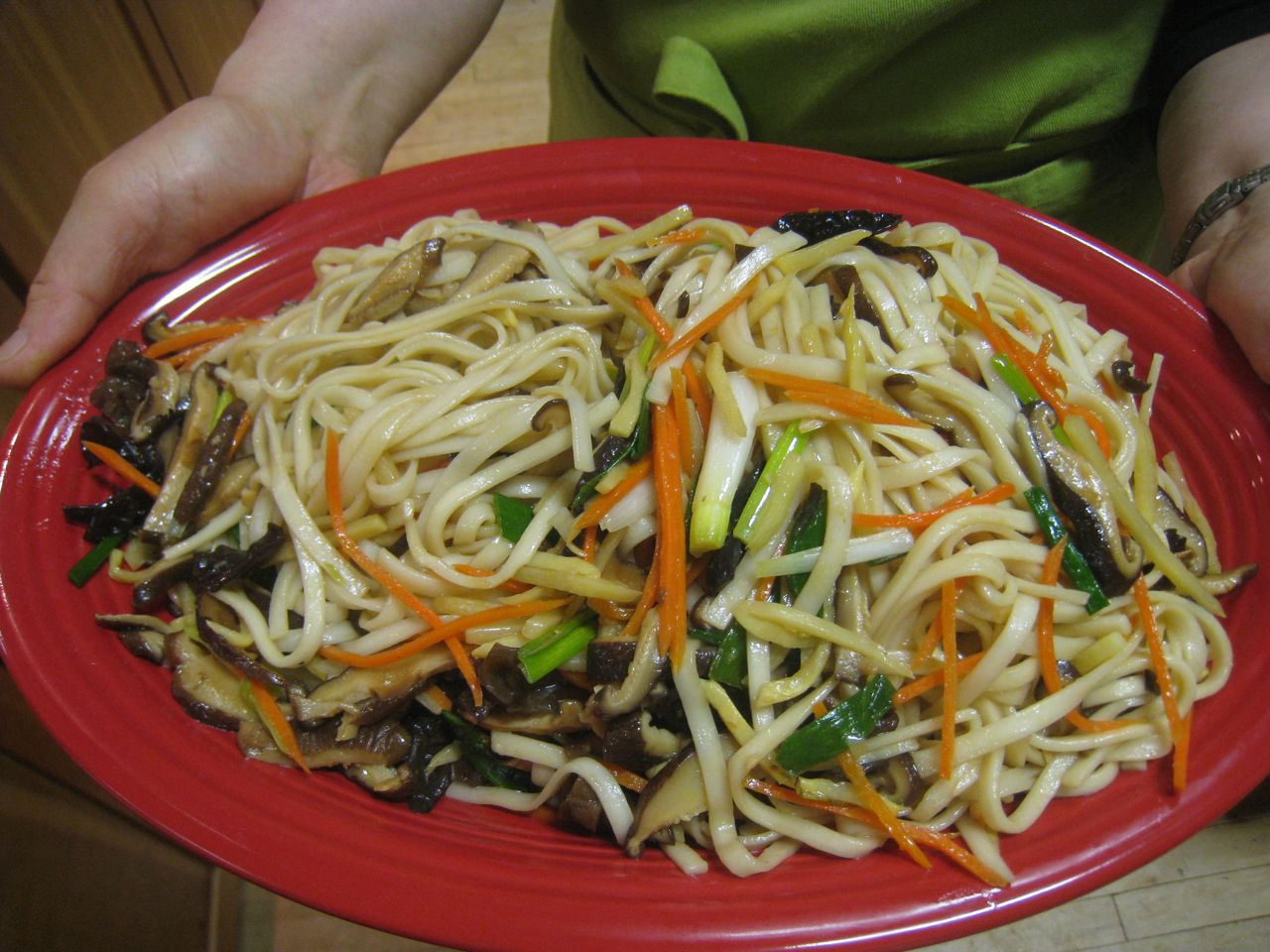
Helen Chen’s Easy Stir Fry Noodles with Oyster Sauce

You may vary the type and amount of shredded vegetables in this versatile recipe, or make it vegetarian by omitting the meat.  The stir-fry sauce will provide all the rich flavor you’ll need.

Serves 6

1 pound dry Chinese wheat noodles or thin spaghetti
8 ounces shredded lean pork or chicken breast
2 teaspoons cornstarch
2 teaspoons dry sherry
4 tablespoons canola oil
1 medium onion, thinly sliced
10 ounces shredded napa cabbage
5 medium dried black mushrooms, soaked in hot water 15 mins until soft
2 ounces snow peas, ends snapped off, strings removed and shredded on the diagonal
1 medium carrot, shredded
½ cup canned shredded bamboo shoots, drained
6 tablespoons Canton Oyster Stir Fry Sauce, or more to taste  (Made using the recipe on Helen Chen’s Asian Kitchen® Easy Stir Fry Sauce Bottle, or you can purchase a pre-made sauce from your local grocer or Asian food specialty store.)

1.  In a large pot of boiling water, cook the noodles until a little softer than al dente.  Drain, rinse in cold water, and drain again.  Set aside.

2. In a small bowl mix meat with cornstarch and sherry. Drain the mushrooms and squeeze dry.  Cut off the stems with scissors and discard. Shred caps.

3.  In a wok, heat cooking oil over medium-high heat, add the well-stirred meat mixture and stir-fry about two minutes or until it separates and changes color, about 1 minute. Add the onion, cabbage, mushrooms, carrot and bamboo shoots and stir until the cabbage begins to wilt, about 2 minutes.

4.  Sprinkle the noodles with a few tablespoons of water to loosen them up, drain, then add them to the pan.  Pour the Canton Oyster Stir Fry Sauce over the noodles and add in the snow peas. Continue tossing and stirring until well mixed and evenly colored, about 1 minute.  Taste and add more sauce, if desired. Transfer the noodles to a serving platter and serve immediately.

Biography of Helen Chen

Helen Chen

Helen Chen

HIC, Harold Import Co. is proud to call Helen Chen a partner in Helen Chen’s Asian Kitchen® made by HIC Harold Import Co.

Helen Chen is a leading Asian culinary expert, cookbook author, cooking instructor and developer of Helen Chen’s Asian Kitchen® cookware and cooking supplies.  Helen learned to cook from her mother and has combined the comfort of home-style dishes with an updated incorporation of heart-healthy oils and readily available supermarket ingredients—making cooking great Asian food easier for everyone.

Helen Chen’s unique line of Asian cooking supplies was developed through many years of culinary experience and provides the kind of high-quality standards that you can expect from HIC, Harold Import Co. Some of the products available in the Helen Chen’s Asian Kitchen® innovative line of Asian cooking utensils include steaming accessories, cutlery, cookware, tea & sake, tabletop, utensils and housewares.

*Not affiliated with Joyce Chen products

Plink Garbage Disposer Cleaner and Deodorizer

Plink

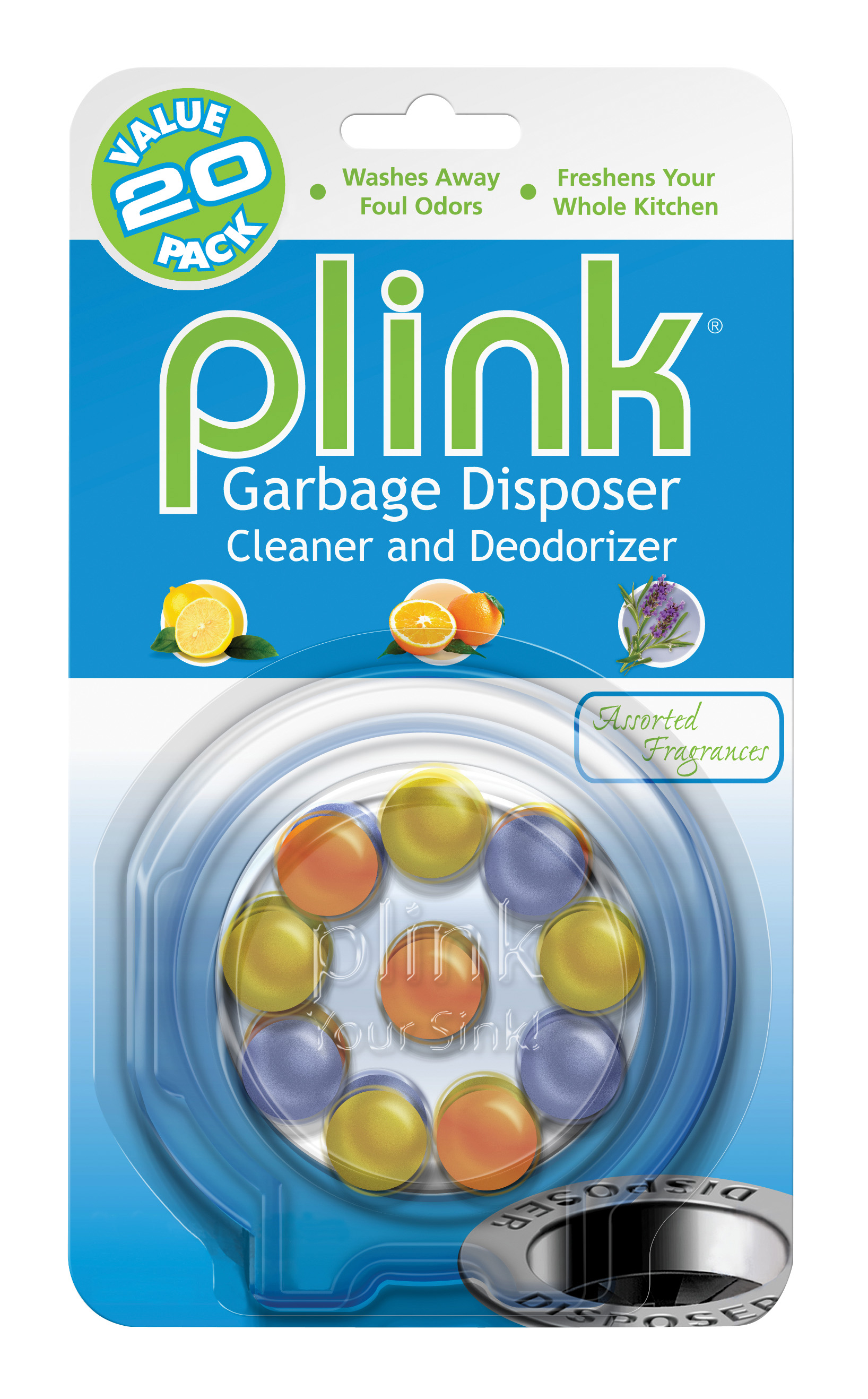
Plink Garbage Disposer Cleaner and Deodorizer removes buildup to unclog disposals, and to freshen the entire kitchen with a pleasant, fresh scent.

Refresh your kitchen with the Plink Garbage Disposer Cleaner and Deodorizer. Specially designed by plumbers to be powerful and effective, Plink cleans, deodorizes and unclogs garbage disposals by removing buildup and breaking up fats and food particles that cause clog. The built-in odor eliminator quickly washes away foul smells and freshens the entire kitchen with the clean, fresh scents of lemon, orange or lavender.

Go ahead and Plink the sink disposal twice a week to maintain a clean garbage disposal and prevent future clogs. It’s non-toxic and biodegradable, safe for the environment, and safe for plumbing and the septic tank, too.

Easy to use, simply drop Plink in and run the sink garbage disposal with a slow stream of water for 15 seconds. Voila! No more clogged garbage disposal. Revive fresh scents by running the garbage disposer with bursts of hot water.

Includes 20 Plink balls in assorted scents of lemon, orange and lavender.

The Plink Garbage Disposer Cleaner and Deodorizer, comes in a Value Pack of 20, in assorted scents of lemon, orange and lavender.


aerolatte® French Press Cafetiere

aerolatteFrenchFilled

From pour-over to pods, and from drip to French Press, there are many ways to brew a cup of coffee. Each method has its own distinct results, and each requires varying degrees of effort.

For anyone who appreciates a method that extracts the full flavor and aroma of coffee, while enjoying a bit of hands-on attention, the French Press is often their method of choice.

First patented by Milanese designer Attilio Calimani in 1929, the French Press continues to reign as one of the favorite ways to brew coffee due to its ease of use, simplicity, and ability to produce a great cup of coffee.

Ideal for anyone who enjoys the experience of brewing by hand, this simple, few-step French press brewing process does not require much when it comes to training, yet gives the user a bit more control in the final results.

The idea is simple, grind the coffee, place a measured amount in the pot, and fill with the proper amount of water. By allowing the water and grinds to sit in the press, the oils and flavors of the coffee enter the water and produce delicious results.

There are numerous French Press pots available on the market, but what makes the aerolatte® French Press Cafetiere a step above others are the little design tweaks that take some of the guess out of the French Press brewing method.

Before we get to the features of the aerolatte French Press Cafetiere, remember that you have to start with a great grind. (The ideal French Press grind is uniform large particles.)

Once you have the perfect grind, you’ll need to properly measure the coffee and match that with the right amount of water.

The aerolatte French Press comes with a unique measuring gauge for water levels printed right on the glass. By using this guide, and the coffee measuring scoop (which comes with the press), you can easily brew perfect coffee.

aerolattePressMeshAnother important feature to look out for when it comes to the French press is the filter. A high-quality filter design easily pushes grinds to the bottom of the pot, while ensuring that no grinds escape into the brew. Of course, that’s exactly what you will find on the aerolatte – a built-in mesh plunger that pushes grounds to the bottom of the pot and captures unwanted grounds as you pour.

But, for those occasional escaping grounds, the lid is equipped with a coffee grounds microfilter spout. This is a secondary filter that prevents any grinds entering your cup of coffee and helps create a superior beverage.

aerolattePressGlassOnce you’re finished with your coffee, it’s time to clean the pot. aerolatte’s French Press is easy to use and clean. The high-heat borosilicate glass beaker is dishwasher safe, and easily lifts out of the stainless steel frame for quick cleanup. Hand wash all other parts in warm, soapy water.

The aerolatte French Press is available in four sizes – 3, 5, 7 or 8 cup. If you’d like to learn more about the aerolatte French Press from Gary and Alan, click through on the link below and choose “How to make French press coffee with aerolatte” from the playlist.

Chef Michael Symon Teams Up w/ Ergo Chef

ergo_chef_logo_blackExperienced chefs know when it comes to chopping, slicing, paring and dicing, it’s all in the wrist. Unfortunately, over time this can take quite a toll as many professional and home chefs develop carpal tunnel syndrome and tendonitis. Scott Staib, founder of Ergo Chef, LLC experienced this first hand. Enlisting the help of his engineer brother Mike, they worked tirelessly with designers, engineers, culinary professors and countless chefs to create a line of professional grade knives that would be a true extension of a chef’s hand.

Ergo Chef CRIMSON Knives are crafted out of German-made high-carbon steel with the world’s strongest handle material G10 (fiberglass resin) impervious to moisture and able to take a beating in the kitchen. The company has engineered an ergonomic handle size, weight and balance for a truly superior line of knives that have proven to actually reverse the signs and stressors that cause carpal tunnel syndrome and tendonitis.

Michael Symon Image 4x5-1Chef Michael Symon was searching for an exceptional culinary company to make his custom knives a reality. His relentless pursuit for the best led him to Ergo Chef. After avid testing of their product, he found that Ergo Chef offered unmatched quality and craftsmanship and chose to work with their team to design and manufacture his new line of ergonomic knives.

“Ergo Chef was able to take my vision for high-quality, durable knives and make it a reality,” said Chef Symon. “We worked together to develop a design that looks great and has a super balanced, comfortable feel in the hand, which is really important for those who love to cook the way I do.”

Symon, along with Ergo Chef, LLC will introduce a 9” Chef Knife, 6” Chef Knife, 6″ Serrated Utility Knife, 7″ Vegetable Cleaver, 3.5” paring knife and a four-piece steak knife set at the 2015 International Home and Housewares Show, March 7-10 at McCormick Place in Chicago. Michael Symon will be available at the event for one-day only—Sunday, March 8, 2015. Come experience these culinary masterpieces in Ergo Chef’s booth #S1460 and the International Home Housewares Show.

HIC, Harold Import Co., will distribute Chef Michael Symon cutlery by Ergo Chef.

ABOUT MICHAEL SYMON
SymonSignatureChef Michael Symon cooks with soul. Growing up in a Greek and Sicilian family, the Cleveland native creates boldly flavored, deeply satisfying dishes at his restaurants in America’s heartland. He also shares his exuberant, approachable cooking style and infectious laugh with viewers as an Iron Chef on Food Network and as a co-host on ABC’s The Chew. When he’s not working, Michael is riding his motorcycle, cooking at home, playing golf, thinking about his next tattoo, gardening in the backyard or spending time with his wife, Liz, and their Old English bulldog, Ozzy.

Culinary Futures Event at AmericasMart Raises $20,000 in Scholarship Funds for Atlanta Les Dames d’Escoffier International

Guests Enjoy Culinary Futures Event

Guests Enjoy the Culinary Futures Event in Atlanta

In January, AmericasMart hosted Culinary Futures, an event where industry guests raised scholarship funds, enjoyed live entertainment and savored delicious tastings offered by some of Atlanta’s finest chefs. This annual reception and silent auction raised more than $20,000 toward scholarships provided by the Atlanta Chapter of Les Dames d’Escoffier International (LDEI), a philanthropic society dedicated to fostering the education of students in food, fine beverage and hospitality.

“Thanks to everyone who supported this years Culinary Futures event, we are able to provide a young woman in need with a scholarship to pursue her culinary dreams,” said Dame Tamie Cook, LDEI Atlanta’s Vice President of Philanthropy.

Since 2001, LDEI Atlanta has provided annual Scholarships for Education and Continuing Education Grants to female applicants pursuing culinary or pastry arts, farming, beverage management, hospitality, or agriculture coursework.

Last Year's recipient, Jordan Fessehaie with Mary Moore, founder and CEO of Cooks Warehouse, and supporter of Culinary Futures.

Last Year’s recipient, Jordan Fessehaie with Mary Moore, founder and CEO of Cooks Warehouse, and supporter of Culinary Futures.

On hand was last year’s recipient, Jordan Fessehaie, who is studying Hospitality Administration at the Boston University School of Hospitality Administration.

“Because of LDEI I am able to see the possibilities of women in the hospitality industry because the organization is filled with wonderful role models,” she explained. “This scholarship made me see that my major is serious and it is a great career path. To be successful you don’t have to be a doctor or lawyer, you can be an event planner and own your own business, you can be an executive chef, or you can be a food stylist.”

To learn more about LDEI Atlanta Scholarships and Grants, including applications, deadlines and how to apply, visit ldeiatlanta.org/scholarships.

For more information about the event, to participate next year or to make a donation, contact philanthropy@ldeiatlanta.org

Homemade Spaghetti Noodles Using Fante’s Cousin Arturo’s Pasta Pin

Contributed by Liana, of the Fante family of Philadelphia.

Fante's Cousin Arturo’s Pasta Pin in Use

Fante’s Cousin Arturo’s Pasta Pin in Use

Growing up, we made homemade spaghetti a couple of times a week with a pasta machine. In fact, my nonna had her machine set up on a table in her basement 24/7. That was her permanent pasta making station. After we were done rolling out and cutting the spaghetti, we brushed off the machine with a pastry brush and covered it with a homemade tea cozy until the next Sunday. Imagine that I thought we were totally normal! Doesn’t everyone have a pasta machine on its own altar in the basement? Apparently, not. But good news! You don’t need a pasta machine to make delicious homemade spaghetti.

Fante's Cousin Arturo’s Pasta Pin in Use

Fante’s Cousin Arturo’s Pasta Pin in Use

I’ve talked about our epic Sunday dinners before. Nonna’s favorite pasta, which she called “lasagna,” (but it wasn’t the layered cheese and sauce filled baked casserole we all think of with that name) was simple peasant pasta. We rolled out the sheets of dough, cut them down the center lengthwise, and then cut the pasta every two inches on a diagonal to make rough parallelograms. We boiled it in salted water and served it with fresh gravy, nothing fancy. It saved having to cut the fettuccine or spaghetti on the machine.

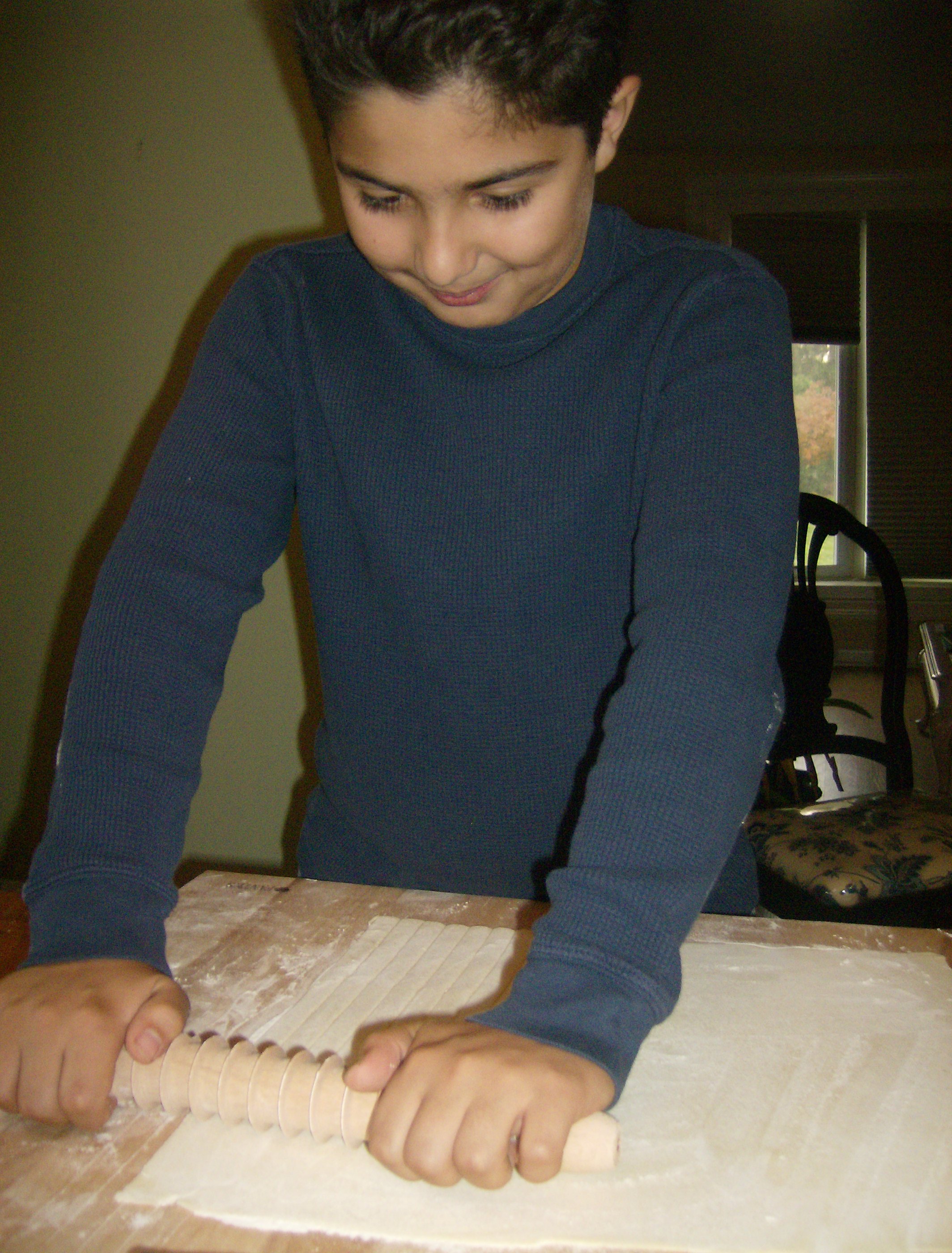
My mom talks about her nonna (my great-grandmother) making homemade spaghetti before pasta machines and chitarras (a stringed piece of equipment reminiscent of a guitar that you would press dough through the strings to cut). She rolled out the pasta dough with the handle of an old broom (her makeshift rolling pin) into a rectangular shape the width of the table. Then, she cut the dough into segments the length of spaghetti strands she wanted. Rolling up the segmented dough as though she were making a pinwheel dessert, she expertly sliced thin cross sections of dough with a sharp knife. If she were doing this to herbs it would be fancily called a “chiffonade.” Each cut made a single strand of spaghetti. Talk about a lot of work! (That’s why the peasant lasagna was so popular when making homemade pasta without a machine.) To ease cutting spaghetti without a machine, a clever craftsman created wooden rolling pins with grooves sharp enough to cut through dough for instant strands of spaghetti.

Fante's Cousin Arturo’s Pasta Pin in Use

Fante’s Cousin Arturo’s Pasta Pin in Use

Making homemade spaghetti by hand can be a great project for the family. Knead your favorite pasta dough recipe. Roll it out with a flat rolling pin into a rectangular shape about 1/16” thick and cut it to the desired length of your spaghetti with a knife. Make sure you have incorporated enough flour in your dough so that it is not sticky. The proper consistency will make the pasta much easier to cut and separate. Lightly flour the surface of the pasta dough. Apply even pressure on the pasta pin and roll it slowly down the length of your sheet of dough. If your pasta dough contains egg, the pasta pin will deeply score the dough and you will separate the strands by hand. (This is great fun for tiny fingers on the budding chefs in the kitchen!) To make separating strands easier, hold one hand and fingers on the main part of the dough and lightly pull on the single strand with the other hand to separate it from the pack. It goes very quickly once you get the hang of it (or delegate the job). If you make your pasta dough without egg, the spaghetti strands should separate easily just by rolling the pin across the dough. Cook and enjoy as you would your normal homemade spaghetti!

Fante’s Cousin Arturo’s Pasta Pin can be purchased from Fante’s Kitchenware Shop in Philadelphia, and on their website.

Find out how to place a wholesale order for any products from the Fante’s line, from Harold Import Co.

Autumn Apple Muffins

Autumn Apple Muffins

Autumn Apple Muffins

If you’re in the mood to bake using traditional fall flavors like apple and cinnamon, and are looking for an alternative to a traditional wheat flour based muffin recipe, these autumn apple muffins just might delight! The texture is soft and very moist, almost cake-like, and the flavor is apple-rich due to the high fruit to dough ratio. My first experience enjoying these was on the back porch of a friend’s home, eaten with a mug of hot cider and a view of the turning autumn leaves. Her baking experiments often include trying flour alternatives like coconut flour, almond meal, quinoa, and more, and I’m always intrigued and impressed at the delicious treats she creates. This apple muffin recipe is my favorite of hers, capturing some of the beauty and flavors of fall.

Apple Muffins in Mrs. Anderson's Baking Silicone Muffin Cups

Autumn Apple Muffins in Mrs. Anderson’s Baking Silicone Muffin Cups

Ingredients:

  • 1 ½ cups almond meal
  • ½ cup oats
  • 2 teaspoons cinnamon
  • ½ teaspoon sea salt
  • ½ teaspoon baking soda
  • ¼ cup honey
  • 3 eggs
  • 2 tablespoons olive oil
  • 1 large peeled and chopped tart apple

Kitchen Tools:

Instructions:

Preheat oven to 320. Line a muffin tin with paper or silicone baking cups.  Mrs. Anderson’s Baking® Silicone Muffin Cups are used and pictured in this recipe.

Peel, core, and chop 1 large apple, and set aside.

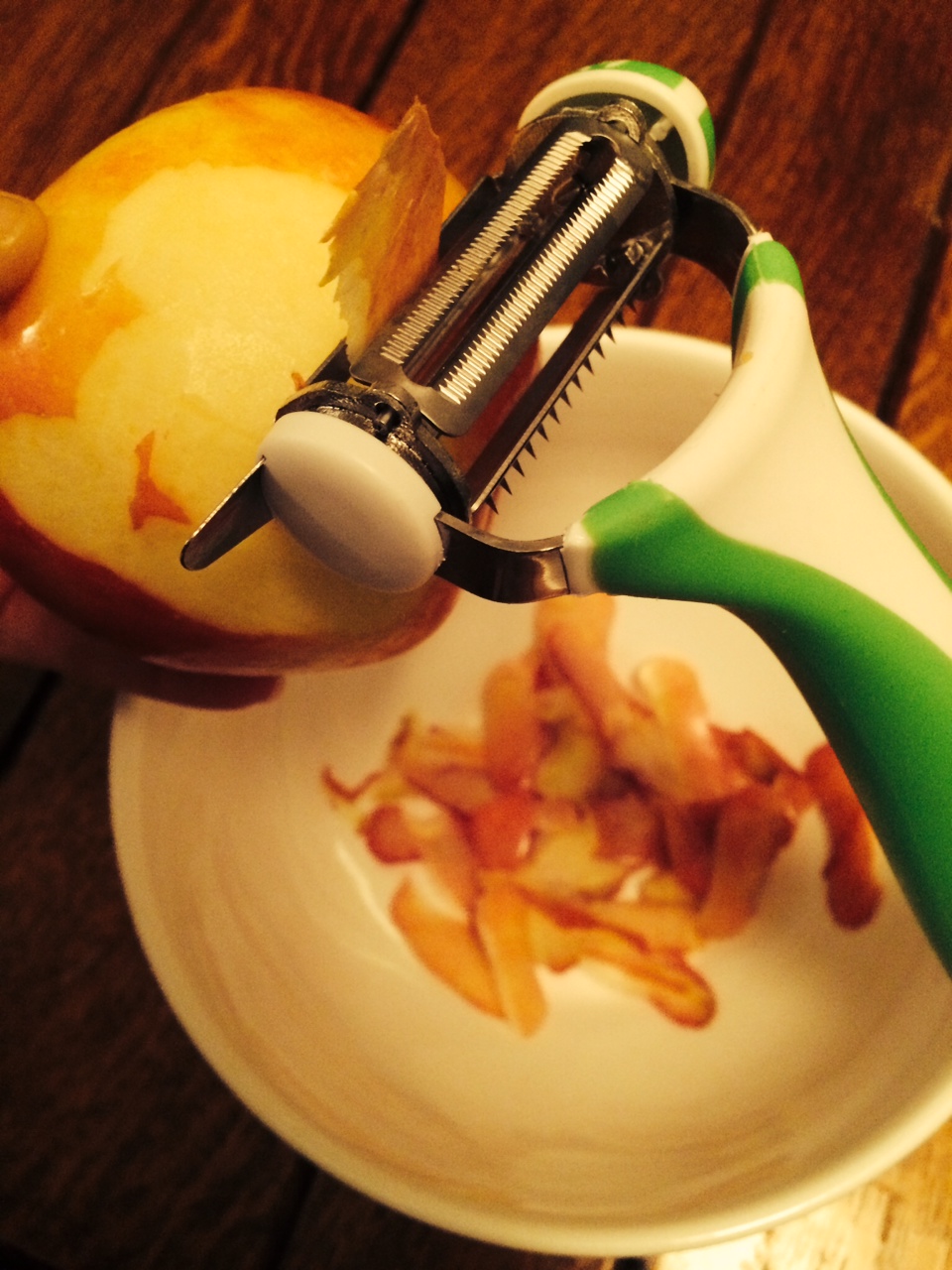
Peeling a large apple with The World's Greatest 3-in-1 Rotational Tri Peeleer

Peeling a large apple with The World’s Greatest 3-in-1 Rotational Tri Peeler

Place almond meal, oats, cinnamon, sea salt, and baking soda in a large bowl and mix until combined. Then add eggs, honey, and olive oil, and mix until combined but don’t beat. Next, fold in the chopped apples.

Chopped Apples

Chopped Apples

Fill each baking cup to the top, as they don’t rise as much as a muffin made with wheat flour.

Bake for 20 minutes. They’ll be a bit gooey at the tops until they cool. Makes about 1 Dozen Muffins.

Autumn Apple Muffins in Mrs. Anderson's Baking Silicone Baking Cups

Autumn Apple Muffins in Mrs. Anderson’s Baking Silicone Baking Cups

Contributed by Nicole Herman, of HIC.

Cooking Ancient Grains with Helen Chen

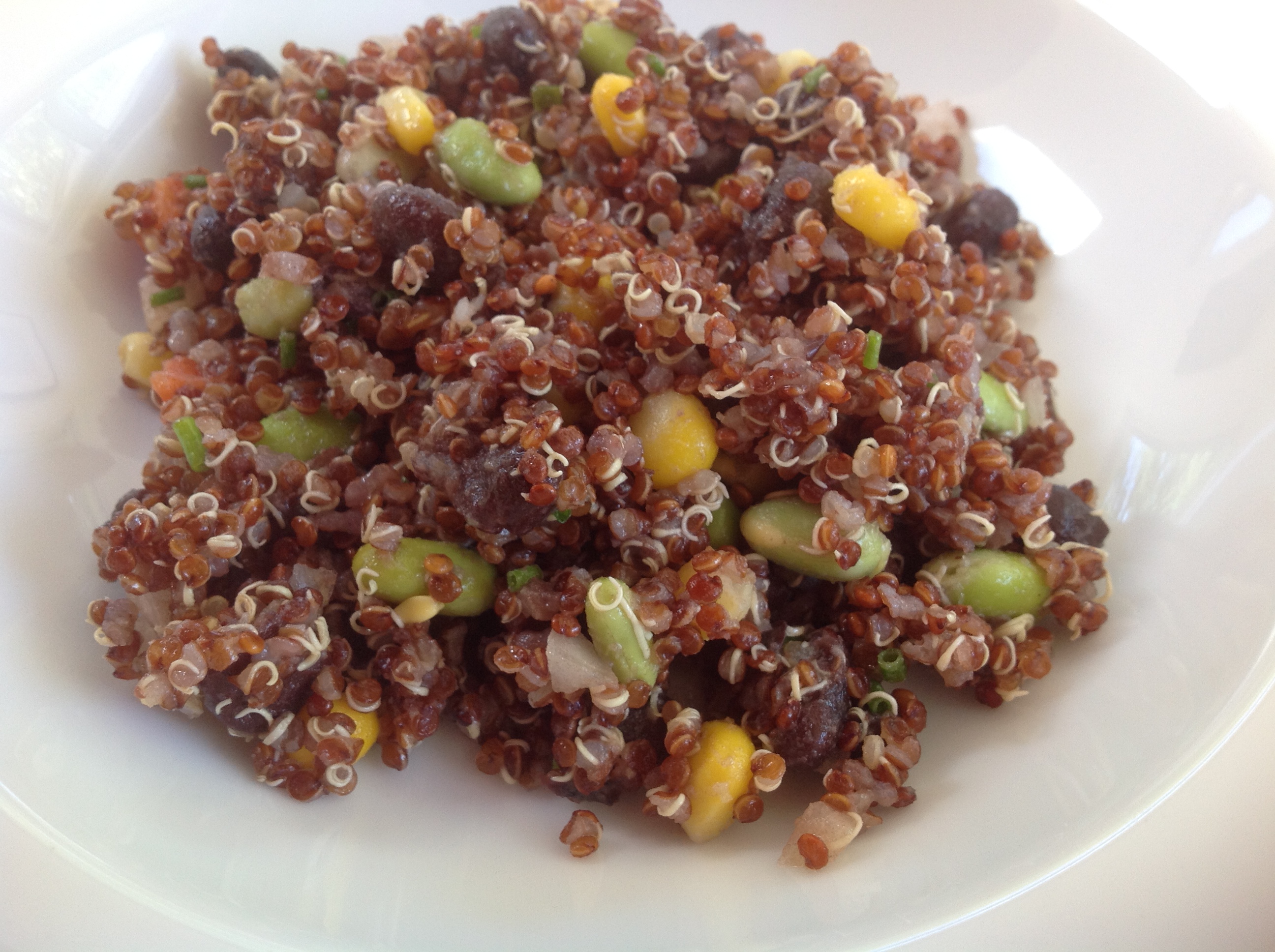
Quinoa made in Helen Chen's Asian Kitchen Perfect Rice Cooker. This salad also contains edamame, kernel  corn, black beans, red bell pepper, Vidalia onion and chives.

Quinoa made in Helen Chen’s Asian Kitchen Perfect Rice Cooker. This salad also contains edamame, kernel corn, black beans, red bell pepper, Vidalia onion and chives.

Article Contributed by Nicole Herman, of HIC, With Helen Chen

Our friend Helen Chen, widely acknowledged authority in Asian cooking, teacher, and cookbook author, is an expert at making perfect rice of many varietals. She has even designed a beautiful porcelain rice cooking vessel with Harold Import Co. so we can all achieve her perfect rice in our own kitchens. We’ve had some lively discussions about the growing popularity of ancient grains on both restaurant menus and in home cooked meals, and Helen offered to show us jut how easy it is to use her Perfect Rice Cooker to cook the grain quinoa. (One tool, many uses. We like this.)

Helen Chen's Asian Kitchen Perfect Rice Cooker used to make Quinoa

Helen Chen’s Asian Kitchen Perfect Rice Cooker used to make Quinoa

How to cook ancient grains with Helen Chen’s Asian Kitchen®  Perfect Rice Cooker:

Made of high-fired white porcelain, the Perfect Rice Cooker is the ideal vessel for cooking not only all varieties of rice (jasmine, sushi, brown rice and even sweet rice) but it also cooks other grains such as barley and quinoa (pronounced keen-wah), the ancient grain from the Andean region of South America. (Recipes to make both are included with the Perfect Rice Cooker.) Helen recently returned from Peru and the area around Cusco, the ancient capital of the Inca empire where quinoa is a major crop.

Grain Fields in Peru, Taken by Helen During her Trip

Grain Fields in Peru, Taken by Helen During her Trip

This gluten-free grain is enjoyed for its mild nutty taste and valued for its high nutritional value.  It’s an excellent source of complete protein, containing all eight amino acids, making it a perfect substitute for meat.  Cooked quinoa is very versatile and can be mixed with vegetables and seasonings, made into delicious salads or added to enrich soups.  It’s so easy and foolproof to cook quinoa in the Perfect Rice Cooker.

Quinoa made in Helen Chen's Asian Kitchen Perfect Rice Cooker

Quinoa made in Helen Chen’s Asian Kitchen Perfect Rice Cooker

All you need:
1 cup quinoa
2 cups water
Yield:  About 3 1/2 cups cooked quinoa

1. Wash and rinse the quinoa thoroughly in cold water and drain in a fine meshed colander or strainer.  This is to remove quinoa’s natural coating of saponins which can lead to a soapy or bitter taste.  Transfer the quinoa to the bowl of the rice cooker and add water.  Be sure all the grains are submerged.

Quinoa Submerged in Water in Helen Chen's Asian Kitchen Perfect Rice Cooker

Quinoa Submerged in Water in Helen Chen’s Asian Kitchen Perfect Rice Cooker

2.  Place the uncovered rice cooker in a stock pot with enough water to reach about 2 inches up the side of the rice cooker.  Lower the bamboo handle so it’s level with the rim of the rice cooker.  Cover the stock pot and bring the water to a boil.  When the water is boiling, reduce the heat to maintain a slow boil and steam for about 20 minutes or until the quinoa is tender and white spiral-like threads appear around each grain.  Turn off the heat and let it rest for about 5 minutes before serving.  Fluff with a rice paddle or fork and serve hot or cold in your favorite recipe.

Finished Cooked Quinoa

Finished Cooked Quinoa

Biography of Helen Chen

Helen Chen

Helen Chen

HIC, Harold Import Co. is proud to call Helen Chen a partner in Helen Chen’s Asian Kitchen® made by HIC Harold Import Co.

Helen Chen is a leading Asian culinary expert, cookbook author, cooking instructor and developer of Helen Chen’s Asian Kitchen® cookware and cooking supplies.  Helen learned to cook from her mother and has combined the comfort of home-style dishes with an updated incorporation of heart-healthy oils and readily available supermarket ingredients—making cooking great Asian food easier for everyone.

Helen Chen’s unique line of Asian cooking supplies was developed through many years of culinary experience and provides the kind of high-quality standards that you can expect from HIC, Harold Import Co. Some of the products available in the Helen Chen’s Asian Kitchen®innovative line of Asian cooking utensils include steaming accessories, cutlery, cookware, tea & sake, tabletop, utensils and housewares.

*Not affiliated with Joyce Chen products

Hash Browns with Zucchini Prepared with the Benriner Slicer

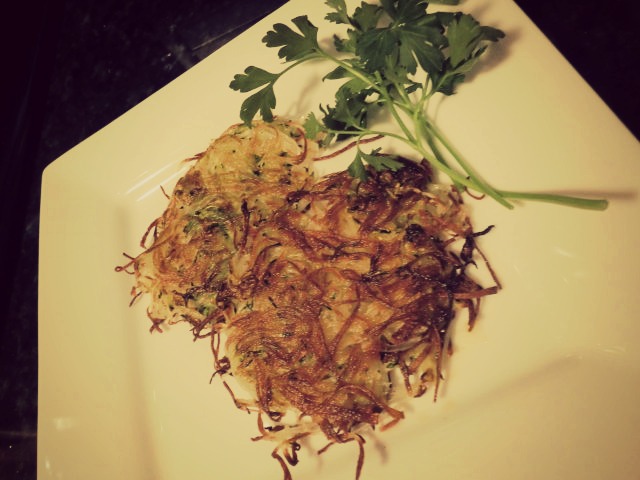
Zucchini and Potato Hash Browns Made with the Benriner Slicer

Zucchini and Potato Hash Browns prepared with the Benriner Slicer

Benriner slicers are known and relied upon by professional chefs and home cooks around the world, for their quality, versatility, and razor sharp interchangeable blades. Have you ever wondered how the Benriner family (learn more about their history in our interview) uses this tool at home?  We asked Michiko Yamamoto, responsible for Benriner’s international marketing, and sister to owner Hajime and granddaughter of Benriner’s founder Uyuki Yamamoto, if she might shed a little light on how this iconic kitchen tool finds it’s way into her modern lifestyle.

Nicole Herman, of HIC: Michiko, let me start by thanking you for taking time to share with us. Do you use the Benriner in your home today?

Michiko: I have been using Benriner myself and have seen my mom use it for years since childhood.  I think salad was on the dinner table almost every day.  My mother didn’t teach me how to cook, but after living away from home, I learned to cook myself.   My recipes are far from what you will see in a cookbook or cooking programs, and I don’t even measure ingredients when I cook; however, I hope you can get some ideas or hints for creative recipes from me.

Nicole H: What kind of cuisine do you like to prepare with the Benriner?

Michiko: I like healthy eats – and I try my best to buy organic fresh fruits and vegetables. I feel discouraged to buy those ready-made salad bags, as they are pricey, plus when I get home all I need to do is to take out my Benriner slicer from the kitchen drawer and can quickly make vegetable slices and prepare a simple & healthy salad.

Benriner can turn those hard or bulky vegetables like carrots and cabbage, into delicate, beautiful garnish.  I usually mix them with chopped romaine lettuce, tomato, and avocado, to add some volume.  Once I make a lot of salad at home, it lasts for a few days, so I am forced to eat vegetables every day- I also bring it to work for my lunch and eat as dinner with extra protein (such as chicken meat or quinoa) in it.

I think there is no rule for cooking- you can be as creative as you like and explore the possibilities.   Through sharing some of the recipes I make using the Benriner, I hope to help and support other home cooks creative, beautiful, and delicious recipes.

Michiko’s Recipe for Hash Browns with Zucchini 

Tool: Benriner Slicer (model BN1)

Ingredients:

Potatoes
Zucchini
Olive Oil

Potato Cut with the Benriner Fine Blade

Potato Cut with the Benriner Fine Blade

The Benriner comes with 3 blade attachments. Start by using the fine blade, and cut both potatoes and zucchini into short lengths, by running the vegetable across the blade at it’s end.

Zucchini Cut with the Benriner Fine Blade

Zucchini Cut with the Benriner Fine Blade

Then blend the cut potato and zucchini pieces. They are like noodles, and easy to mix.

Potato and Zucchini Patties Before Cooking

Potato and Zucchini Patties Before Cooking

Form the mix into individual portions, and make patties. No seasoning is needed at this step.

Add just enough olive oil to coat the bottom of your skillet, heat, and place the patties in the pan, pressing them flat. Cook until the under side is crispy and golden; flip, and do the same to the other side. Season to taste after cooking. Tip: The patty will come apart easily until it is cooked, so pack the uncooked potato and zucchini into a tight ball in your hands before placing in the pan and flattening.

Zucchini and Potato Patties Served with Lasagna

Zucchini and Potato Patties Served with Lasagna

A nice accompaniment served along side lasagna and a light salad.

Looking for a Benriner slicer of your own? They can be found in fine kitchen shops nationwide, or Contact HIC.

Learn more about how to use the Benriner in these videos: 

See reviews of the Benriner from Kitchn.com and Consumer Research

Contributed by Nicole Herman of HIC, Harold Import Co.

Cantaloupe and Blueberry Ice Pops

Cantaloupe and Blueberry Ice Pops

Cantaloupe and Blueberry Ice Pops

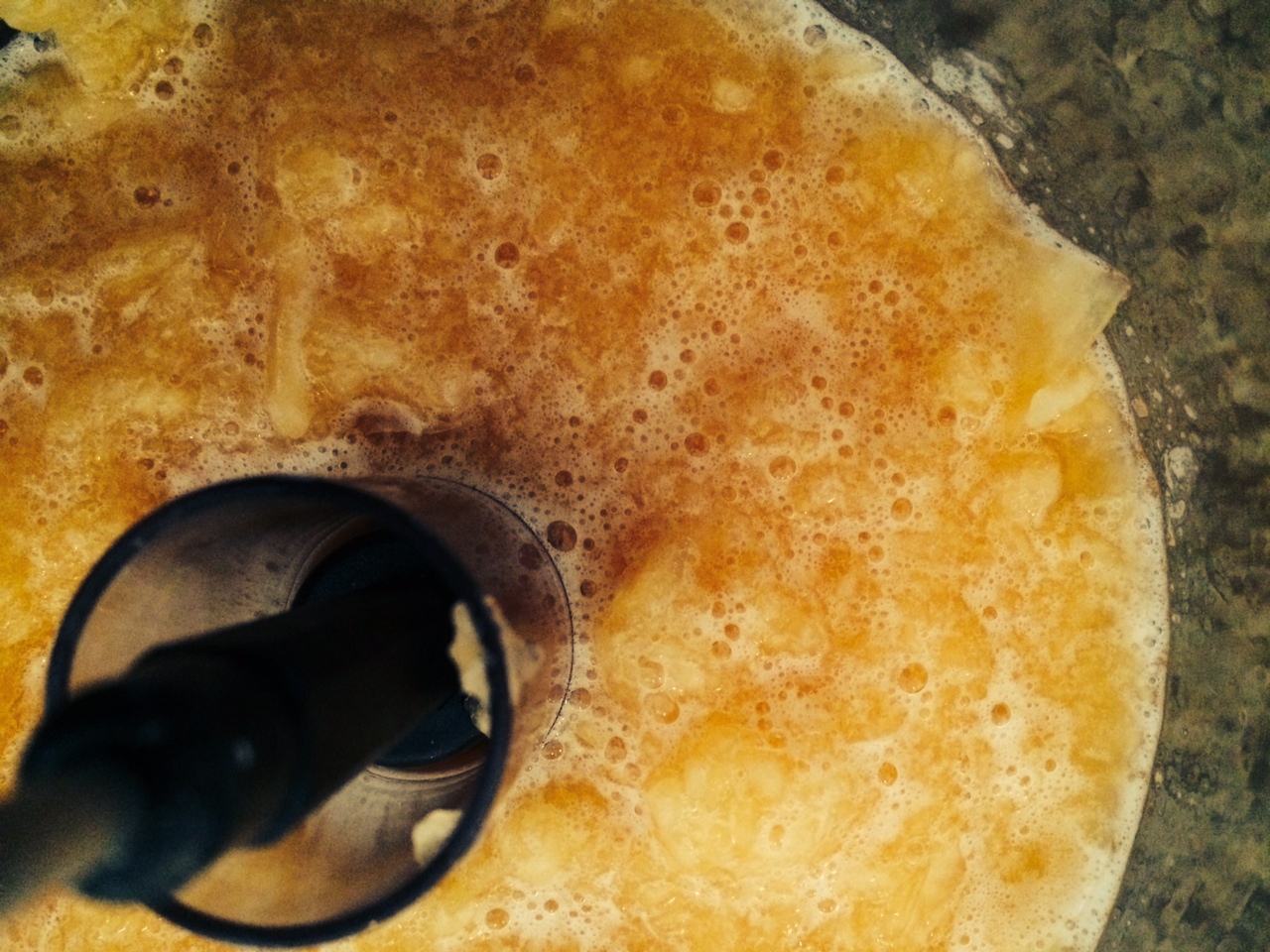
Temperatures are warming, days are at their longest, and with the bounty of fresh produce available at markets this time of year, we thought it would be fun to roll up our sleeves and make our very own frozen treats. We started experimenting with some less traditional ice pop flavors last summer, like watermelon and raspberry. Cantaloupe is at its peak now until September so we opted to make an ice pop with this sweet, water-rich fruit, throwing in plump fresh blueberries for a little texture. Cantaloupe and Blueberry Ice Pop Recipe First purée 3 cups of cut cantaloupe in a food processor (a blender could work too.)

Cantaloupe Puree

Cantaloupe Puree

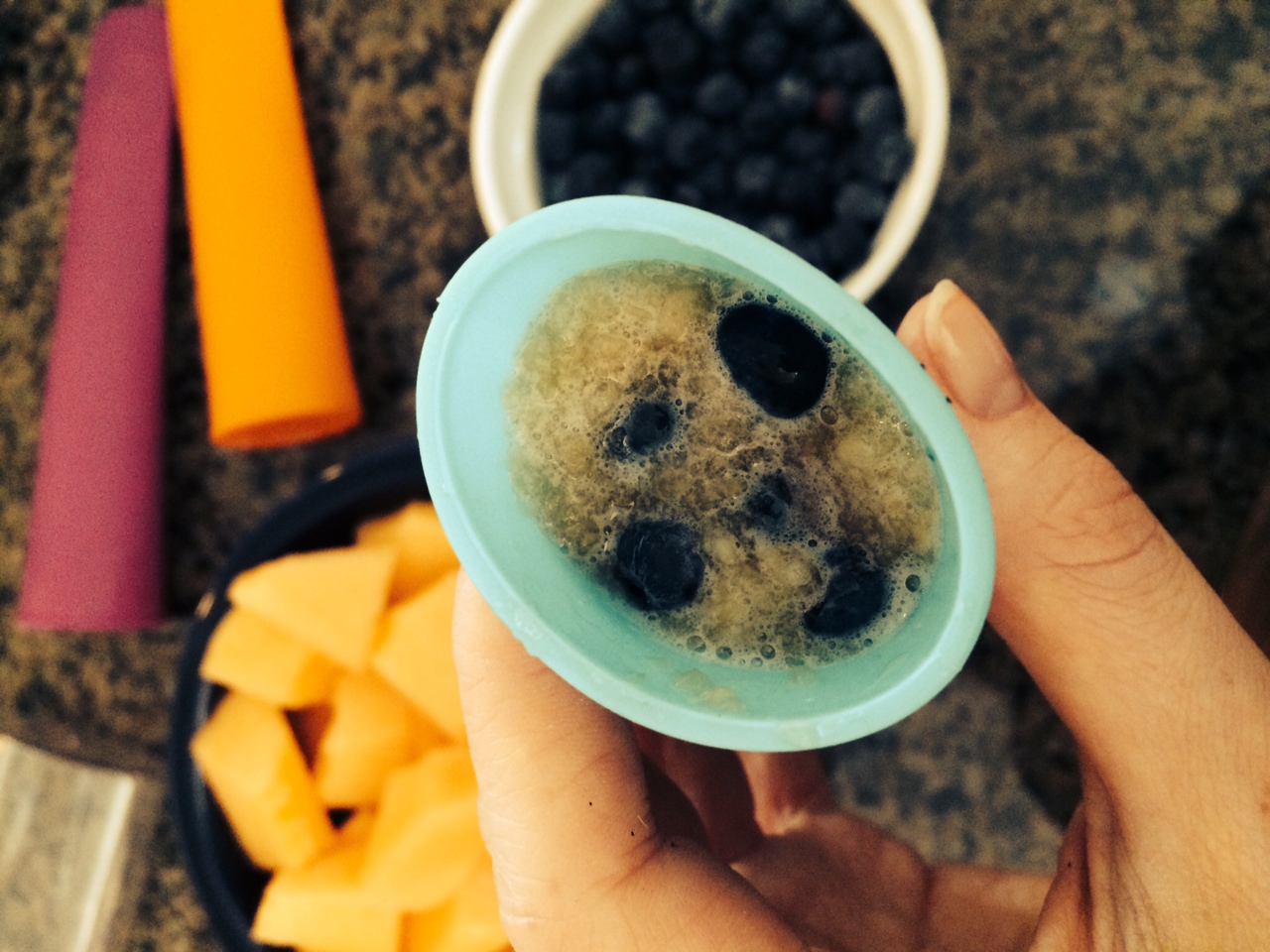
Pour the purée into your ice pop mold, filling about 1/3 of the way (use any vessel you choose, but we found the volume in this recipe worked well with our set of 4 Ice Pop Molds.) Drop in a few blueberries. Then continue to pour the cantaloupe purée into the mold, followed by the addition of blueberries, alternating cantaloupe purée and blueberries until the mold is filled to within about 1/2 inch from the top lip (leaving room for the cap, and a little expansion of the contents as it freezes.)

Ice Pop Mold Filled with Cantaloupe and Blueberry Mixture

Ice Pop Mold Filled with Cantaloupe and Blueberry Mixture

Ingredients

Tools

Freeze for about 3 hours, or until firm. If you prefer more of a cantaloup blueberry slush, remove from the freezer after 1-2 hours, and enjoy!

Cantaloupe and Blueberry Ice Pop Fully Frozen

Cantaloupe and Blueberry Ice Pop Fully Frozen


Cantaloupe and Blueberry Slush

Cantaloupe and Blueberry Slush

Contributed by Nicole Herman of HIC, Harold Import Co.

Benriner Mandolin Slicer Makes Baked Potato Chips

Baked Potato Chips made by blogger Food (Just Sayin') with the Benriner Mandolin Slicer from Harold Import Co.

Baked Potato Chips made by blogger Food (Just Sayin’) with the Benriner Mandolin Slicer from Harold Import Co.

Toni Snearly, author of Food (Just Sayin’), is a self described “foodie cookin’, goodie bakin’, organic livin’, charity givin’, tree huggin’ type of gal.”  

Toni put our Benriner Mandolin Slicer to the test, and shows how easy it is to create homemade baked potato chips using the Benriner, turning a whole potato into chip-perfect slices in under 10 seconds. Read the full post on Food (Just Sayin’): Baked Potato Chips Made Easy with Benriner.

Explore this history of Benriner in our interview with Michiko. Want to find a Benriner Mandolin Slicer of your own? Check out Fante’s of Philadelphia. Also found in fine kitchen shops nation wide.

See the Consumer Search report on mandolins.

Ali Bouzari – An Interview With the Food Biochemist, Chef, and Innovator

Ali Bouzari

Ali Bouzari (left)

If you knew that a 20-something food Biochemist was influencing your menu at The French Laundry (should you be so lucky to snag a table) would that raise your eyebrows? Elite culinary establishments such as The French Laundry, Benu of San Francisco, The Restaurant at Meadowood, and the world’s premier culinary college, The Culinary Institute of America, are experiencing the influence of  Ali Bouzari, food scientist, chef, innovator and thought leader.  Ali is one of the instructors and creators of the culinary science curriculum at the CIA, a PhD student in biochemistry at UC Davis, and a Culinary Science and Menu and Research and Development Consultant for some of the most prominent dining establishments in California.  

Ali gives a Ted Talk at UC Davis on May 4, 2014. (Starting at 3:13:00)

As Harold Import Co. grows in the food service and supply industry, we are delighted to have the opportunity to connect with passionate, trend setting culinary professionals like Ali, who in turn push us to critique and improve our own creative processes and raise the bar in all that we do for our Customers. 

The Interview – Getting to Know Ali Bouzari

Nicole Herman., of HIC: Ali, I want to first thank you for taking the time to share with us. I think our readers are really going to enjoy learning about you and your unique approach to all things culinary.

Nicole: When did you first know you wanted to be a chef?

Ali Bouzari: The best way to answer is to say when I first started to cook in restaurants, which I did in high school. My choices were to wait tables, be a host, or cook.  I started cooking in an orthodox Jewish catering company where I learned more than basic knife skills – I learned how to make Jewish delights and how to prepare kosher food. We did bar mitzvahs, parties, and sometimes 500 person events. I realized I really enjoyed this, and learned that if you can cater a Passover dinner, you can pretty much do anything

Nicole: Who or what has been the most influential factor in your life, personally and professionally?

Ali: Personally, the reason food has been on my radar is because of my dad. He was an excellent cook. His family is from Iran and the culture there is obsessed with food, it’s an all consuming part of life, and it’s really fun.  There is a joyous attitude toward food, they don’t take it seriously. I grew up with crazy Iranian dudes eating great food and making it fun, and it was refreshing to focus on. Professionally, I’ve had people help me along the way – My professor at UC Davis, my boss at the Culinary Institute of America, they were amazing facilitators. Chefs that have driven me – one is Thomas Keller. At the first fine dining gig I had as a line cook, my chef gave me a copy of The French Laundry cookbook. He said, “check this out, this is why we do everything that we do.” I learned good habits from this book, and I imprinted on French laundry culture.
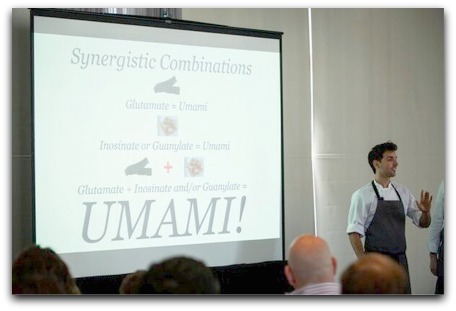
Ali Bouzari

Ali Bouzari

While I was in Spain for a year in undergrad, it was right after the peak of the Spanish avant-garde movement. I saw Ferran Adria of elBulli talk once, and it was crazy eye opening. This was my first time realizing that having a meal taste and smell really good was not the only important thing. Emotion and nostalgia can enter in too… and unless it tastes good, it doesn’t matter. The creativity was inspiring. Harold McGee’s book On Food and Cooking written in early 1980’s set a lot in motion. I read it in undergrad when I was cooking part time and studying biochemistry. I found that with this knowledge I could cook better than I thought I should be able to. I would look under the hood of what I was working on. Then I Googled books on the science of food and kept finding Harold McGee’s book. I read it cover to cover. To this day, I start with this book when researching. My guidance to students at the CIA – If you read this cover to cover, you will be a better cook than your peers, it teaches you the rules of the game.

Nicole: What is your favorite meal to make? And To eat?

Ali: Most meaningful – An old Persian standby, the shish kabob, basmati rice with saffron, and traditional accompaniments. The shish kabob is made of ground beef, sumac, black pepper, onions and shallots. It’s formed onto a skewer that hangs horizontally. The trick is to get the right ratio of fat and protein, it must cling to skewer and not fall into the fire.  It needs to brown well. I like this because it feels very old world, and I made this with my dad for our friends growing up.

Nicole: You’ve been called both a scientist and a chef. Do you identify with one more than the other? 

Ali: No. My whole career is predicated on the belief that I am not ever going to be the world’s greatest chef or scientist, but I can do both together pretty well, and that enables me to do some cool stuff. I try to keep one foot in the culinary world and keep those skills as honed as possible. If I walk into The French Laundry to teach them anything, I owe it to the team there to know what’s going on to the point that I could at least hack it being a prep cook. Scientists need to learn to respect chefs more, too. As an educator and scientist, I think it is easier to understand the food if you’ve touched it, keeping your cook side very current.

Nicole: What is your cooking philosophy?

Ali: A couple. In general, one of my favorite things as a home cook, and as a single college age guy, there are a lot of leftovers in my life. Great advice I heard –  Don’t just reheat food, recreate it. I might make basmati rice one night, then turn it into soup or fried rice the next night. This is a good culinary workout for the brain. My more over arching cooking philosophy – Pay attention to the rules of the game you’re playing. Know the basic behavior of the basic ingredients you’re working with.

Nicole: We tend to be creatures of habit, and revert to eating what we know and is quick, especially when life gets hectic. What advice would you give a home chef to help get them out of their cooking ruts, without needing to make an especially time consuming elaborate meal? 

Ali: Get in touch with age-old culinary mantra of “mise en place.” This is a French term chefs have all over their brain. It’s the idea that you should be prepared, given what comes your way in the kitchen. The real cooking happens during prep. If you have leftovers, you can just add prepped foods – I’d add things with a lot of flavor, like preserves, pickles, fermented things.  You can take something as simple as roast chicken, and add pickled onions or a little miso, or cherry relish that are already really flavorful, and make something amazing in a little amount of time.

Another philosophy – A chef told me once that at least every dish on his menu had at least one ingredient that took a lot of time to make, with complex deep flavors. If you can make this type of food in batches and keep it around, then you have a giant bar of great ingredients to pluck from  at your will. Start with a couple different pickles. Fermented beets, fennel,  even vinegar pickles. Roasted garlic, pesto, a nice stock. Then you have a wide palate of foods to pull from and create something wonderful, with out a lot of time.

Nicole – So, it’s all about the prep.

Ali – If you live in a place like California, subscribe to a CSA (Community Supported Agriculture) program, where you pay a local farm a lump amount, and they drop off fresh produce at your door, filled with what’s at peak freshness for that time of year. This is a great forcing function to learn how to cook a variety of things. (Kolrabi anyone?)

Nicole: What kitchen tool do you find indispensable, that might come as a surprise to people? 

Ali: 2 – One is kind of obvious – A spoon. The untold love story of the kitchen. A chef on their game will have 5-10 different spoons on hand that they will pet before they go to sleep. This reflects the dual nature of a chef: A knife, which is essential, represents how a chef has to do superhuman tasks under pressure, and the spoon represents how chefs have to be at the same time gentle, nurturing. A Knife is penetrating and aggressive. A spoon is supportive, gentle, finessing. I really like spoons. A lot of chefs really love the “Kunz” spoon, named after Gray Kunz of Lespinasse. Chef of the old guard, a perfectionist, a formidable presence in the kitchen, had these spoons designed for his staff. His cooks had a serial number identified spoon designed with balance, proportion, a perfect bowl at the end, wide enough to use as quasi spatula.

I also like a heat proof spatula. It needs to be rigid yet bendy. Every restaurant has a myth about how using spatulas saved some company a bazillion dollars, minimizing waste by getting every bit out of a container. I love spatulas for stirring things. There is no place for a wooden spoon for me. Every grandmother who stands by using a wooden spoon, just hasn’t used a great heat proof spatula yet.

Nicole: Do you have a dream or goal for the culinary world? 

Ali: Yes! The culinary world is unique in a lot of ways. It’s an industry based on a medium that is inherently dependent on scientific principles but has turned a blind eye to acknowledging the principles for fear of upsetting the tradition and artisanal nature, they are afraid science will do away with this. It’s like saying that by understanding how the English language works, you won’t be as good of a poet. You can learn the rules, and then break them. Learn the science, then do crazy stuff. The irritating thing about humans in artisanal fields is when they reject progress. People will say,  “I don’t want to do anything with science in the kitchen.” Too bad, science is always in the kitchen. Whether or not you want to acknowledge it is the question. This is not avant-garde stuff. There is so much chemistry and physics going on in the kitchen, if the average line cook understood the “why” of roasting a chicken vs. how, we’d all eat better and our culinary staff would be better equipped. I’d like to raise the scientific literacy of the culinary community.  Knowledge makes it better.

_______________________________

You can learn more about Ali Bouzari on The Culinary Institute of America‘s website and on UC Davis Magazine. Follow Ali on Twitter.

Interested in learning more about HIC? We’d love to speak with you. For Customer, wholesale, or press inquiries, please reach us here. Or, shoot us a note via Facebook.

Contributed by Nicole Herman of HIC, Harold Import Co.